Why Older Ogden Homes Are Prone to Foundation Problems
Homes built in Ogden during the mid-20th century were constructed with materials and methods that have since evolved. Many of these homes sit on poured concrete or block foundations that have spent decades absorbing seasonal moisture swings, freeze-thaw cycles, and the natural settling of Utah's clay-rich soils. Over time, these forces can create small weaknesses that grow into serious structural issues if left unaddressed.
Unlike newer construction, older homes often lack modern drainage systems, vapor barriers, or properly graded soil around the foundation. This means water has had years to find its way into basement walls and footings. Homeowners in historic neighborhoods around South Ogden and Harrisville frequently discover that what looks like a cosmetic crack is actually a symptom of long-term water intrusion. Understanding the common signs of foundation trouble is the first step toward protecting your home's value and safety.
Warning Signs of Foundation Trouble: What to Check Below Grade
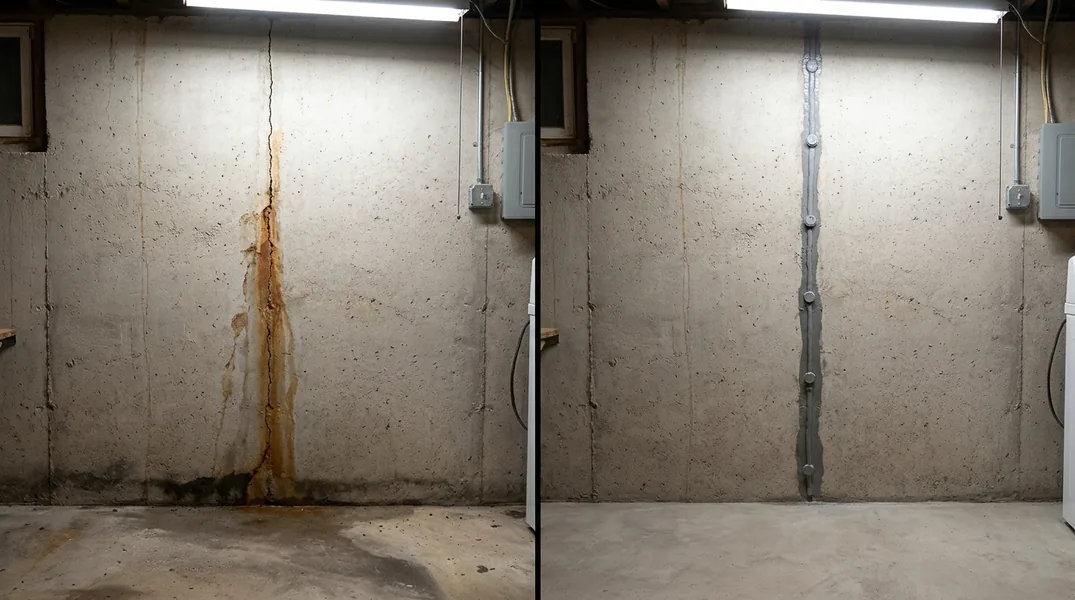
When inspecting your basement or crawl space, pay close attention to the walls and floor. Horizontal cracks in concrete or block walls are often a red flag for soil pressure pushing inward, while stair-step cracks in brick or block foundations can indicate settling. A bowing basement wall is one of the most serious signs, as it suggests the wall is actively failing under hydrostatic pressure. Any crack wider than a hairline, or one that appears to be growing, warrants a professional evaluation.
Other below-grade clues include white powdery deposits (efflorescence) on walls, which signal moisture movement through concrete, and rust stains near metal reinforcements. Check for musty odors, damp spots on the floor, or visible water seepage after rain. In older homes, it's also wise to inspect the condition of the foundation sill plate and any wood framing near the basement floor for rot or insect damage. These signs of foundation problems often point to the need for Foundation Waterproofing to stop water before it causes further deterioration.
The Hidden Threat of Basement Wall Cracks and Bowing Walls
Not all cracks are created equal. Vertical cracks are common and often result from concrete shrinkage during curing, but they can still allow water to enter. Horizontal cracks, however, are more concerning because they typically indicate excessive lateral pressure from saturated soil outside the wall. If you notice a wall leaning inward or a horizontal crack that has widened over time, it's a strong signal that the foundation is under stress. In historic homes, original waterproofing methods (if any) have long since failed, making Basement Waterproofing a necessary investment.
Bowing basement walls are a particular concern in older Ogden neighborhoods where clay soils expand when wet and contract when dry. This cycle exerts tremendous force on foundation walls. Ignoring a bowing wall can lead to structural failure, costly repairs, and safety hazards. A professional assessment can determine whether the wall needs reinforcement, carbon fiber straps, or a full repair strategy. For homeowners in Marriott-Slaterville, where older housing stock is common, addressing these issues early is key to preserving the home's integrity.
Historic Home Waterproofing: Solutions for Older Foundations
Waterproofing a historic home requires a thoughtful approach that respects the original construction while improving performance. Modern Exterior Basement Waterproofing involves excavating around the foundation to apply a waterproof membrane and improve drainage, which can be highly effective but may not always be feasible for older homes with mature landscaping or limited access. In such cases, an Interior Drain Tile System can capture water before it enters the basement and redirect it away from the foundation, often with less disruption to the home's exterior.
For historic properties, it's important to address both water management and structural stability. This might include repairing cracks, reinforcing bowing walls, and ensuring proper grading and downspout drainage. A comprehensive plan tailored to the home's age and condition is essential. If you're unsure where to start, scheduling a free estimate with a local specialist can provide clarity and a path forward.
When to Call a Professional for Foundation Waterproofing Near Me
If you've noticed any of the warning signs discussed, or if your basement feels damp or smells musty, it's time to consult a professional. DIY fixes like patching cracks or applying sealant may offer temporary relief, but they rarely address the underlying cause. A qualified contractor can assess the foundation, identify the source of water intrusion, and recommend the right solution, whether that's interior drainage, exterior waterproofing, or structural repair. For homeowners searching for "foundation waterproofing near me" in Ogden, choosing a local company ensures familiarity with regional soil conditions and building styles.
Ogden Waterproofing offers thorough inspections and transparent pricing to help you make an informed decision. Don't wait for small cracks to become big problems. Call (385) 389-1051 today to schedule your free estimate and protect your home's foundation for years to come.
Looking for a professional basement waterproofing contractor in Ogden? Ogden Waterproofing responds fast for all your basement waterproofing needs.
Get a Free QuoteOur services: Basement Waterproofing · Interior Drain Tile System · Exterior Basement Waterproofing